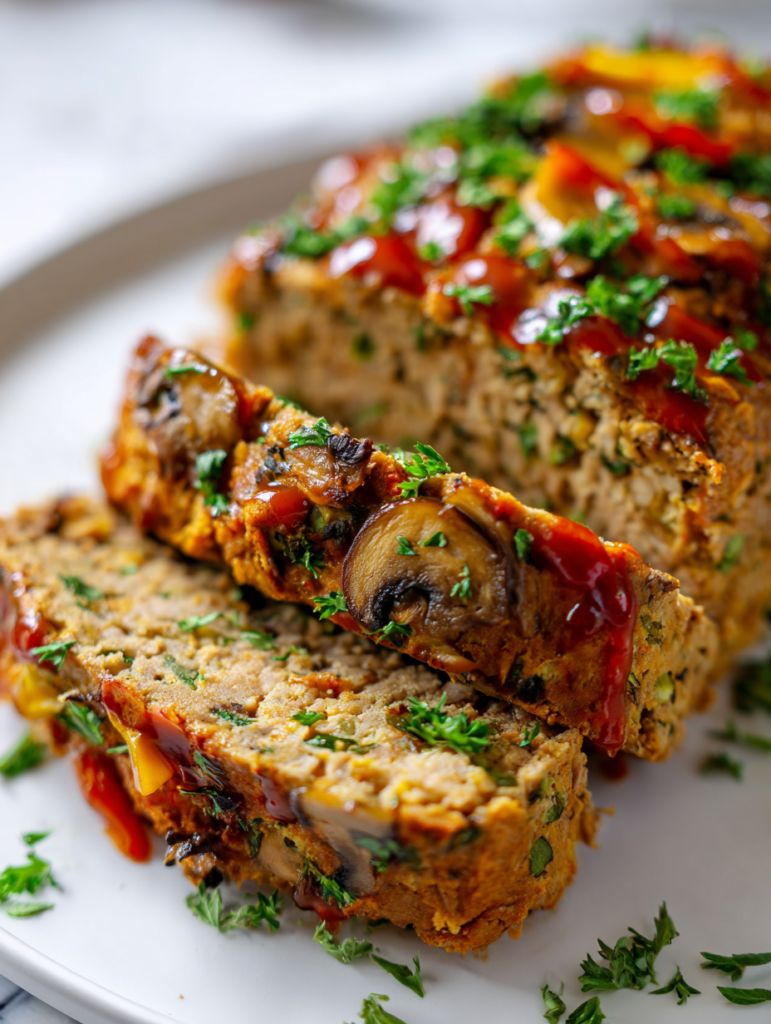
There’s a certain magic in recreating comfort foods that remind us of family dinners, and vegan meatloaf is no exception. I remember the first time I tried making it plant-based, worried it wouldn’t have that satisfying, hearty bite. Turns out, with the right ingredients, it’s just as comforting, if not more so, than the classic version.
This recipe isn’t about perfect replication but about capturing that warm, savory essence we crave. It’s a dish that invites you to dig in with a fork, feeling the texture give way to a rich, smoky flavor—minus any animal products. It’s simple, honest cooking that feels like a hug, no matter your dietary choices.
Focusing on the nostalgic comfort of homemade meatloaf but entirely plant-based, this recipe reimagines a classic with textures and flavors that evoke childhood dinners while respecting a modern vegan lifestyle. It’s about capturing that hearty, savory feel without any compromise, making it a perfect dish for both comfort food lovers and those new to plant-based cooking.
Nostalgic Comfort, Plant-Based
- Recreating this dish takes me back to my grandma’s kitchen, where the smell of smoky tomato sauce filled the air.
- I love how a good vegan meatloaf can surprise even skeptics with its rich, umami punch that sticks to your ribs.
- There’s a quiet pride in turning humble pantry staples into something hearty and memorable, especially on a cold night.
- Every time I make this, I feel a little more confident in vegan cooking, like I’ve cracked a secret code of flavors.
The story behind this recipe
- This vegan meatloaf recipe was born out of a need to recreate the comforting, familiar feel of a classic meatloaf, but with ingredients I could feel good about. I remember experimenting late into the night, trying to balance textures and flavors to get that perfect, slightly smoky, savory bite that reminds you of Sunday dinners around the table. It’s funny how a simple dish can carry so much nostalgia and pride, especially when you start substituting and tweaking ingredients to suit your taste.
- What really pushed me to perfect this recipe was seeing friends and family, skeptics even, take that first bite and then ask for seconds. It’s the kind of thing that sneaks up on you—those humble pantry staples transforming into something unexpectedly hearty and satisfying. I love how adaptable it is, how it can be made ahead, and still taste like it’s fresh out of the oven. That’s the real magic: comfort food, reimagined, without compromise.
- heading: “The story behind this recipe”
Trivia and Origins
- Vegan meatloaf as a concept gained popularity in the early 2000s alongside the rise of plant-based lifestyles.
- This dish often echoes traditional comfort foods, reimagined with textured plant proteins and bold, smoky flavors.
- The idea of plant-based meat substitutes dates back to the mid-20th century, but their use in recipes like meatloaf surged with modern vegan trends.
Key Ingredients and Tips
- Lentils: I use brown or green lentils, cooked until tender but still holding shape—think a hearty, slightly chewy bite. If you prefer a firmer texture, try undercooking just a bit.
- Oats: Rolled oats add that classic meatloaf texture. I toast them lightly before mixing to bring out a nutty aroma, but you can skip this step if you’re pressed for time.
- Tomato Paste: It’s the secret to that rich, umami punch. I love a smoky variety, but if you only have plain, a dash of smoked paprika works wonders.
- Onions & Garlic: Sauté until translucent and fragrant—this is where the deep, savory smell begins to fill the kitchen. Skip this step if you’re in a rush, but don’t skip the flavor.
- Smoked Paprika: Adds a subtle smoky depth and vibrant color. Don’t be shy—this is what makes the loaf feel hearty and robust, even without meat.
- Flaxseed Meal: I mix it with water to create a ‘flax egg’—binding it all together. If you’re allergic, try chia seeds or even a mashed banana for moisture.
- Vegetable Broth: Use a good, savory kind to keep everything moist. It helps to balance the richness and keep the loaf from drying out during baking.
Spotlight on key ingredients
Lentils:
- I prefer brown or green lentils—they become tender yet retain some chew, giving the loaf a hearty, meat-like texture. Rinse well and cook until just tender to avoid mush.
- Oats: Rolled oats absorb moisture and add structure. Toast them lightly before mixing to boost their nutty aroma, but skip this step if you’re in a rush.
Tomato Paste & Smoked Paprika:
- Tomato Paste: It’s the secret to a rich, umami flavor that binds everything together. Opt for smoky varieties if you want an extra depth, or use plain and add a touch of smoked paprika.
- Smoked Paprika: Adds a subtle smoky, slightly sweet flavor that’s essential for that savory, roasted aroma. Just a teaspoon can transform the loaf’s flavor profile.
Notes for ingredient swaps
- Protein Source: Cooked lentils are my go-to for a hearty texture, but you can swap in cooked quinoa or tempeh for a different bite.
- Binder: Flaxseed meal creates that satisfying chewy feel—chia seeds or mashed banana work if you’re out, but expect a slightly different texture.
- Smoked Flavor: Smoked paprika adds depth, but chipotle powder or liquid smoke can give you that smoky punch if you prefer a different heat level.
- Oats: Rolled oats provide structure, but you can try quick oats or gluten-free oats—just note that texture might vary slightly.
- Vegetable Broth: Use a savory broth for richness, or swap with water plus a splash of soy sauce or tamari for umami without extra salt.
- Onions & Garlic: Sautéing boosts flavor but raw works in a pinch—just chop finely and add directly for a milder, sharper note.
- Tomato Paste: For that rich umami, if you’re out, use ketchup or a splash of marinara; expect a milder tomato flavor.
Equipment & Tools
- Loaf pan: To shape and bake the meatloaf evenly.
- Large skillet: For sautéing onions and garlic.
- Potato masher or fork: To mash cooked lentils for texture.
- Mixing bowl: To combine all ingredients thoroughly.
- Spatula: To press mixture into the pan and smooth the top.
- Wire rack: For cooling or crisping the loaf after baking.
Step-by-step guide to vegan meatloaf
- Preheat your oven to 180°C (350°F). Grease a standard 9×5 inch loaf pan; set aside.
- In a large skillet, heat a tablespoon of oil over medium heat. Add 1 finely chopped onion and 2 minced garlic cloves. Sauté until translucent, about 5 minutes, until fragrant and slightly caramelized. Let cool slightly.
- While veggies cool, cook 1 cup of lentils in 3 cups of vegetable broth until tender but holding shape, about 20 minutes. Drain excess liquid and mash slightly with a fork or potato masher.
- In a large mixing bowl, combine the cooked lentils, sautéed onion and garlic, 1 cup rolled oats (toasted lightly if you like), 2 tablespoons tomato paste, 1 tablespoon smoked paprika, 1 tablespoon soy sauce, 1 tablespoon ground flaxseed mixed with 3 tablespoons water (let sit 5 mins), and ½ cup vegetable broth. Mix well until uniform.
- Transfer the mixture to the prepared loaf pan, pressing down firmly to compact. Smooth the top with a spatula. If it feels too loose, sprinkle with a few more oats on top.
- Bake for 45-50 minutes. The loaf should be firm and slightly cracked on top. The smell will be smoky and savory, and the edges might get a little crispy.
- Remove from oven and let rest in the pan for about 10 minutes. This helps it hold together when sliced. Then, transfer to a wire rack if you want a crisper crust or serve straight from the pan.
- Slice with a serrated knife. The interior should be moist but not sticky, with a hearty, chewy texture. Serve with your favorite sauce or a dollop of vegan gravy.
Let the loaf rest in the pan for 10 minutes, then slice and serve. Resting helps it set and makes slicing easier. For a crisp crust, transfer to a wire rack and bake at 200°C (390°F) for 10 minutes if desired.
How to Know It’s Done
- Loaf is firm, holds shape, and has a slight crack on top.
- Internal temperature reaches about 75°C (165°F).
- A crust forms around the edges, and it smells smoky and savory.
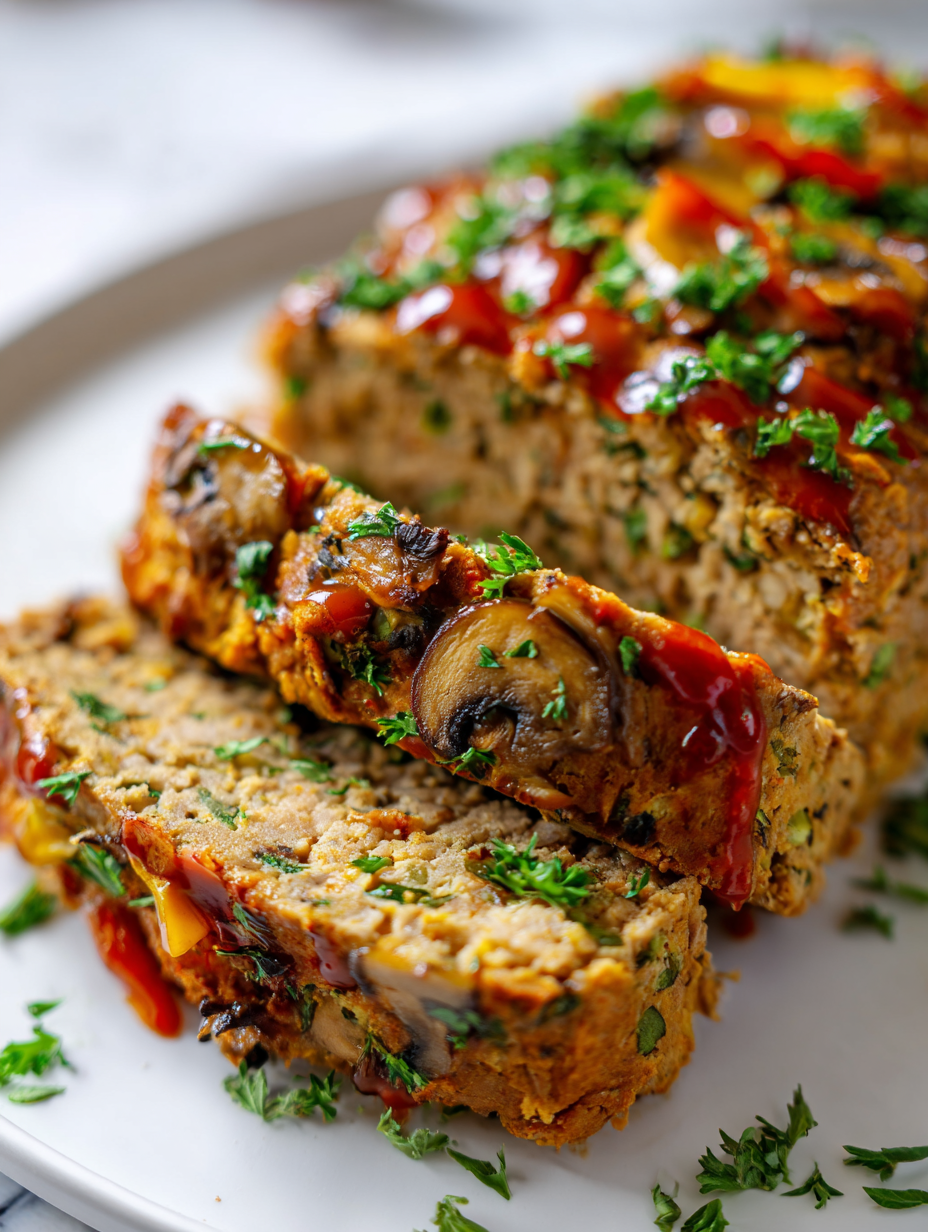
Vegan Meatloaf
Ingredients
Equipment
Method
- Preheat your oven to 180°C (350°F). Lightly grease a 9x5 inch loaf pan and set aside.
- In a large skillet, heat a tablespoon of oil over medium heat. Add the finely chopped onion and minced garlic, sautéing until translucent and fragrant—about 5 minutes. The onions should become soft and slightly golden.
- While the aromatics cool slightly, cook the lentils in the vegetable broth until tender but still holding shape, about 20 minutes. Drain any excess liquid and mash the lentils lightly with a fork or potato masher to create a hearty, slightly chunky texture.
- In a small bowl, combine ground flaxseed with water and let sit for 5 minutes to thicken into a 'flax egg'.
- In a mixing bowl, combine the mashed lentils, sautéed onions and garlic, toasted oats, tomato paste, smoked paprika, soy sauce, and the prepared flax egg. Mix thoroughly until all ingredients are well incorporated and the mixture feels cohesive but still slightly moist.
- Transfer the mixture into your prepared loaf pan. Press it down firmly with a spatula or your hands to ensure it compacts evenly and holds together well.
- Bake in the preheated oven for 45-50 minutes, until the top is firm, slightly cracked, and smells savory and smoky. The loaf should be pulling away slightly from the edges of the pan.
- Remove the loaf from the oven and let it rest in the pan for about 10 minutes. This helps it set and makes slicing easier.
- Carefully transfer the loaf onto a wire rack or serving plate. Slice with a serrated knife, revealing a hearty, moist interior with a slightly crispy crust.
- Serve slices warm with your favorite vegan gravy or sauce, and enjoy the comforting, savory flavors of this plant-based classic.
Top tips for perfect vegan meatloaf
- Bold Flavors: Toast oats lightly before mixing to release nutty aromas that deepen the overall flavor.
- Layer Aromatics: Sauté onions and garlic until fragrant and translucent—this builds a savory, smoky base for the loaf.
- Moisture Check: If mixture feels dry, splash in a little more vegetable broth to keep it tender and easy to mold.
- Press Firm: When transferring to the pan, press mixture down firmly—this helps it hold together when sliced.
- Crackly Top: For a crispy crust, broil the loaf uncovered for 2-3 minutes at the end, watching carefully to prevent burning.
- Temperature Test: Aim for an internal temperature of about 75°C (165°F) for perfect doneness inside and out.
- Rest Time: Let the loaf rest for at least 10 minutes after baking—this prevents crumbling and enhances sliceability.
Common mistakes and how to fix them
- FORGOT to check loaf’s internal temp → use a thermometer, aiming for 75°C (165°F).
- DUMPED the mixture into the pan without pressing → press firmly for even baking and better shape.
- OVER-TORCHED the edges at 50 mins → cover loosely with foil if browning too fast, check at 45 mins.
- FAILED to let it rest before slicing → rest for at least 10 minutes to help it set and prevent crumbling.
Quick fixes and pantry swaps
- When mixture feels dry → splash with more vegetable broth, it’ll stay moist and moldable.
- If loaf cracks during baking → cover loosely with foil, then finish baking to keep shape.
- Splash with a little water when over-baking causes dryness, then cover and bake briefly.
- Patch a cracked top with extra sauce or tomato paste before returning to oven for a shiny finish.
- Shield edges with foil if they brown too quickly, especially in the last 10 minutes of baking.
Prep, store, and reheat tips
- Prepare the loaf mixture a day in advance; keep refrigerated for up to 24 hours. The flavors deepen overnight, and the mixture firms up for easier shaping.
- Bake the meatloaf and let it cool completely before storing. Wrap it tightly in foil or plastic wrap, then refrigerate for up to 4 days. The smoky aroma intensifies, making leftovers even more comforting.
- Freeze leftovers for up to 3 months. Wrap slices individually in plastic, then in foil or a freezer bag. Thaw in the fridge overnight, noticing the flavors mellow slightly but still rich and savory.
- Reheat slices in the oven at 180°C (350°F) for about 10-15 minutes. The loaf should be heated through, with a fragrant aroma and a crispy edge if you broil for a minute at the end. Avoid microwaving to prevent sogginess—use the oven for best texture.
Top questions about vegan meatloaf
1. Can I use other protein sources in place of lentils?
Use cooked lentils or chickpeas for a similar texture. They provide hearty, chewy bites, almost like ground meat.
2. What can I use instead of flaxseed meal?
Yes, you can swap flaxseed meal for chia seeds or mashed banana. The binding might be slightly different but still effective.
3. How important is smoked paprika in this recipe?
Smoked paprika or liquid smoke adds that signature smoky flavor. Without it, the loaf will be milder but still tasty.
4. Can I omit oats or replace them?
Oats give structure and moisture. Quinoa or cooked rice can be substitutes but will change the texture slightly.
5. What’s the best way to tell when it’s done?
Bake at 180°C (350°F) for 45-50 minutes until firm and slightly crackled on top. Check for internal temp of about 75°C (165°F).
6. Can I prepare this in advance?
Make ahead: Assemble the loaf mixture a day before, store in the fridge, then bake fresh. Leftovers keep well in the fridge or freezer.
7. How do I reheat leftovers without drying them out?
Reheat in the oven at 180°C (350°F) for about 10-15 minutes. For a crispy crust, broil for a minute at the end.
8. What if my loaf cracks or dries out during baking?
If it cracks, cover loosely with foil and continue baking. For dry patches, splash with a bit of broth before baking it again.
9. How should I slice and serve it for best texture?
Use a sharp serrated knife for slicing. Let it rest for 10 minutes after baking to help it hold together.
10. Can I add other ingredients to customize the flavor?
Yes, adding finely chopped mushrooms or walnuts can boost umami and add extra texture, making it even more satisfying.
This vegan meatloaf isn’t just about the flavors; it’s about reclaiming a classic with honest ingredients that feel familiar and satisfying. I find that the smell of smoky tomato and the tender bite of lentils bring a sense of comfort that’s hard to beat, especially on cooler nights or when I need something grounding.
Cooking this dish reminds me that good food doesn’t have to be complicated or overly polished. It’s about simple techniques, a few well-chosen ingredients, and a bit of patience. When those slices hit the plate, it’s like a little piece of home, no matter what’s on your plate.