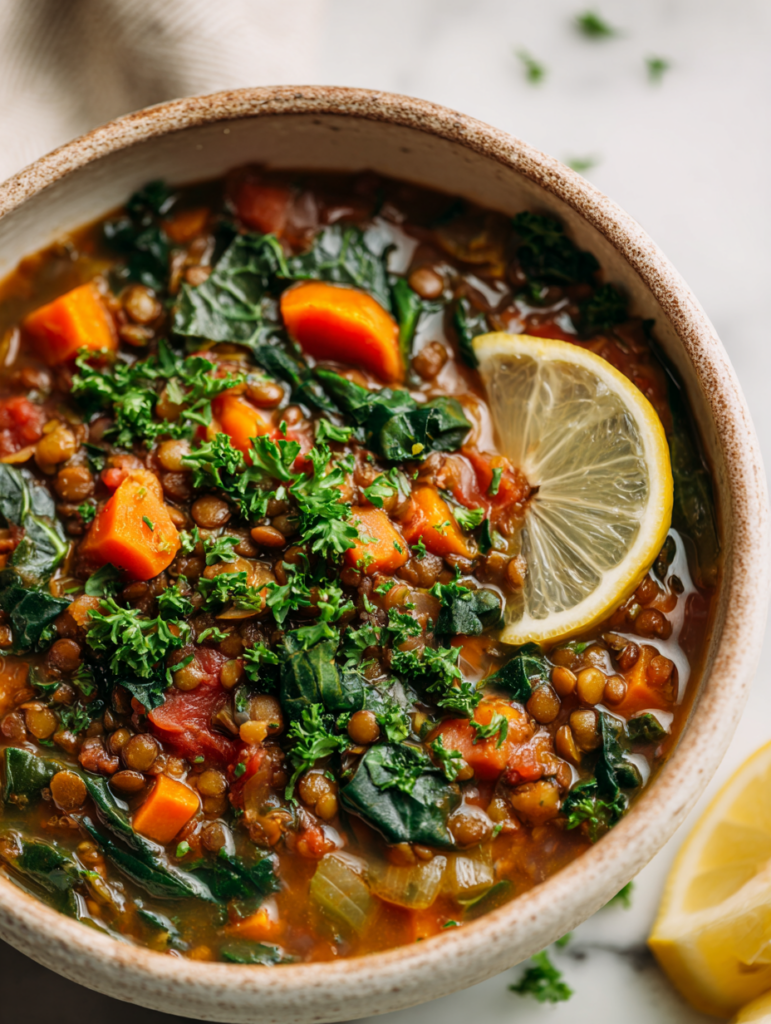
This lentil vegetable stew is my nod to those Sunday mornings in my grandma’s kitchen, where she’d throw together whatever was in the fridge and somehow make it taste like a warm hug. It’s chaotic in the best way—layers of earthy lentils, tender carrots, and a splash of tomato that sparks memories of her laughter echoing through the house.
I’ve tweaked her recipe over the years, stripping it down to its honest roots. It’s about quick comfort, honest flavors, and the messy joy of improvising with what’s at hand. When I make it now, it’s like pressing pause on the chaos and reconnecting with those simple, noisy mornings.
This recipe isn’t just about nourishment. It’s about holding onto that sense of home, the smell of garlic and cumin filling the air, even on the busiest days. It’s a reminder that good food can be imperfect, loud, and deeply personal—just like family.
This recipe is inspired by my grandma’s Sunday ritual—turning simple ingredients into a comforting, chaotic symphony of aromas and textures that somehow always brought our family together, even in the busiest times.
Lessons from a Sunday Kitchen
- This stew reminds me of my childhood, the way my mom would toss everything into one pot and call it dinner.
- There’s a quiet pride in making something hearty from scratch, especially on days when time feels tight.
- Sometimes, I add a dash of hot sauce just for that unexpected zing, making it feel like a little secret in each spoonful.
- Cooking this dish feels like a small act of rebellion against fast food, a way to slow down and nourish deeply.
- Filling my house with the smell of simmering vegetables and spices always brings a strange sense of calm.
Lessons from a Sunday Kitchen
This stew came together during a particularly hectic week when I was juggling too many things at once. I needed something that would nourish my body and soul without demanding too much fuss. It became a sort of kitchen experiment, throwing in whatever vegetables I had left in the fridge, simmering with lentils I always keep on hand. The aroma of garlic, cumin, and slow-cooked veggies filled my small apartment and made me realize how simple ingredients can create comfort in a rush. Now, making this stew feels like a small act of grounding—reminding me that good, hearty food doesn’t have to be complicated or perfect.
Historical Roots of the Stew
- This dish traces back to humble peasant meals across the Mediterranean, where lentils and vegetables were staples for sustenance.
- In ancient times, lentils were prized for their quick growing cycle and rich protein content, making them a farmer’s best friend.
- The combination of earthy lentils and seasonal vegetables reflects a timeless, resourceful approach to cooking that’s still relevant today.
- Historically, stews like this were slow-cooked over open fires, developing deep flavors that modern shortcuts aim to replicate in a hurry.
- This recipe echoes a tradition of making hearty, nourishing meals from leftovers—an act of frugality and love passed through generations.
Ingredient breakdown: key components
- Lentils: I always pick green or brown—they hold their shape and add a hearty bite, plus they smell earthy and slightly nutty as they cook. Swap with red lentils if you want a softer, creamier stew, but watch out—they break down faster.
- Carrots: I like slicing them fairly thick so they keep some texture, their natural sweetness really shines through once tender and caramelized. If you prefer a milder taste, substitute parsnips for a slightly sweeter, more floral note.
- Tomatoes: Fresh or canned, I aim for a bright, slightly tangy flavor that lifts the whole pot. If fresh tomatoes aren’t in season, a splash of tomato paste can deepen the richness without losing that zesty brightness.
- Onions & Garlic: These form the flavor base, filling the kitchen with a warm, aromatic smell that’s almost nostalgic. If you’re sensitive to raw onion, cook them a bit longer until they’re golden and sweet—your stew will be sweeter too.
- Spices: Cumin and smoked paprika are my go-tos—they bring a smoky, earthy depth that makes the dish feel grounded. Feel free to toss in a pinch of cinnamon or chili flakes if you want some unexpected warmth or heat.
- Vegetable Broth: I prefer homemade or low-sodium store-bought for control over salt. If you want a creamier texture, stir in a splash of coconut milk at the end for a subtle, velvety finish.
- Olive Oil: Use a good quality extra virgin—its fruity, peppery notes really come alive during sautéing. If you’re out, a neutral oil like canola works fine, but skip the butter for a dairy-free vibe.
Spotlight on key ingredients
Lentils:
- I always pick green or brown—they hold their shape and add a hearty bite, plus they smell earthy and slightly nutty as they cook. Swap with red lentils if you want a softer, creamier stew, but watch out—they break down faster.
- Carrots: I like slicing them fairly thick so they keep some texture, their natural sweetness really shines through once tender and caramelized. If you prefer a milder taste, substitute parsnips for a slightly sweeter, more floral note.
Vegetables (onion, garlic, tomato):
- Tomatoes: Fresh or canned, I aim for a bright, slightly tangy flavor that lifts the whole pot. If fresh tomatoes aren’t in season, a splash of tomato paste can deepen the richness without losing that zesty brightness.
- Onions & Garlic: These form the flavor base, filling the kitchen with a warm, aromatic smell that’s almost nostalgic. If you’re sensitive to raw onion, cook them a bit longer until they’re golden and sweet—your stew will be sweeter too.
Notes for ingredient swaps
- Vegetarian Broth: Swap with mushroom or miso broth for a deeper, umami flavor that’s still plant-based.
- Lentils: Use red lentils if you prefer a softer, creamier stew, but be mindful—they break down faster and turn mushy.
- Fresh Tomatoes: Substitute with canned diced tomatoes for convenience, especially in winter when fresh isn’t as vibrant.
- Carrots: Parboiled parsnips or sweet potatoes can replace carrots, adding a different natural sweetness and texture.
- Olive Oil: If out, neutral oils like canola or grapeseed work fine, but skip the fruity, peppery note of good extra virgin.
- Herbs & Spices: Toss in a bay leaf or a pinch of cinnamon for an unexpected warm depth—just adjust quantities so it doesn’t overpower.
- Salt & Pepper: For a different twist, add a splash of soy sauce or tamari at the end to deepen the umami without extra salt.
Equipment & Tools
- Large heavy-bottomed pot: Ensures even heat and prevents scorching.
- Wooden spoon or spatula: For stirring and scraping the pot bottom.
- Sharp knife and cutting board: For chopping vegetables and garlic.
Step-by-step guide to making the stew
- Gather your equipment: a large heavy-bottomed pot or Dutch oven (for even heat), a wooden spoon or spatula (for stirring), and a sharp knife with a cutting board (for prep).
- Heat 2 tablespoons of olive oil over medium heat (about 160°C/320°F) in the pot. Once shimmering, add 1 chopped onion. Cook until translucent, about 5 minutes, stirring occasionally.
- Add 3 minced garlic cloves and 1 teaspoon ground cumin. Cook for another 30 seconds until fragrant, being careful not to burn the garlic.
- Stir in 2 diced carrots and 1 diced celery stalk. Cook for 5-7 minutes until the vegetables soften slightly and smell sweet and earthy.
- Pour in 4 cups vegetable broth and add 1 cup rinsed green or brown lentils. Bring to a boil over high heat, then reduce to low (about 85°C/185°F). Cover partially and simmer for 25-30 minutes.
- Check the stew: the lentils should be tender but hold their shape, and the vegetables should be soft. If the liquid reduces too much, add a splash more broth.
- Stir in 1 can diced tomatoes (or 2 fresh, chopped), and season with salt, pepper, and a pinch of smoked paprika. Cook uncovered for another 10 minutes to meld flavors.
- Taste and adjust seasoning. If the stew is too thick, stir in a little hot water or broth until it reaches your preferred consistency.
- Remove from heat. Let the stew rest for 5 minutes to settle the flavors. Ladle into bowls and garnish with fresh herbs if desired.
Let the stew sit off heat for 5 minutes. Serve hot, garnished with chopped herbs or a squeeze of lemon for brightness.
How to Know It’s Done
- Lentils are soft but not mushy, with a slight bite.
- Vegetables are tender and fragrant, with a hint of caramelization.
- Stew has a rich aroma of garlic, cumin, and cooked vegetables, with a vibrant tomato hue.
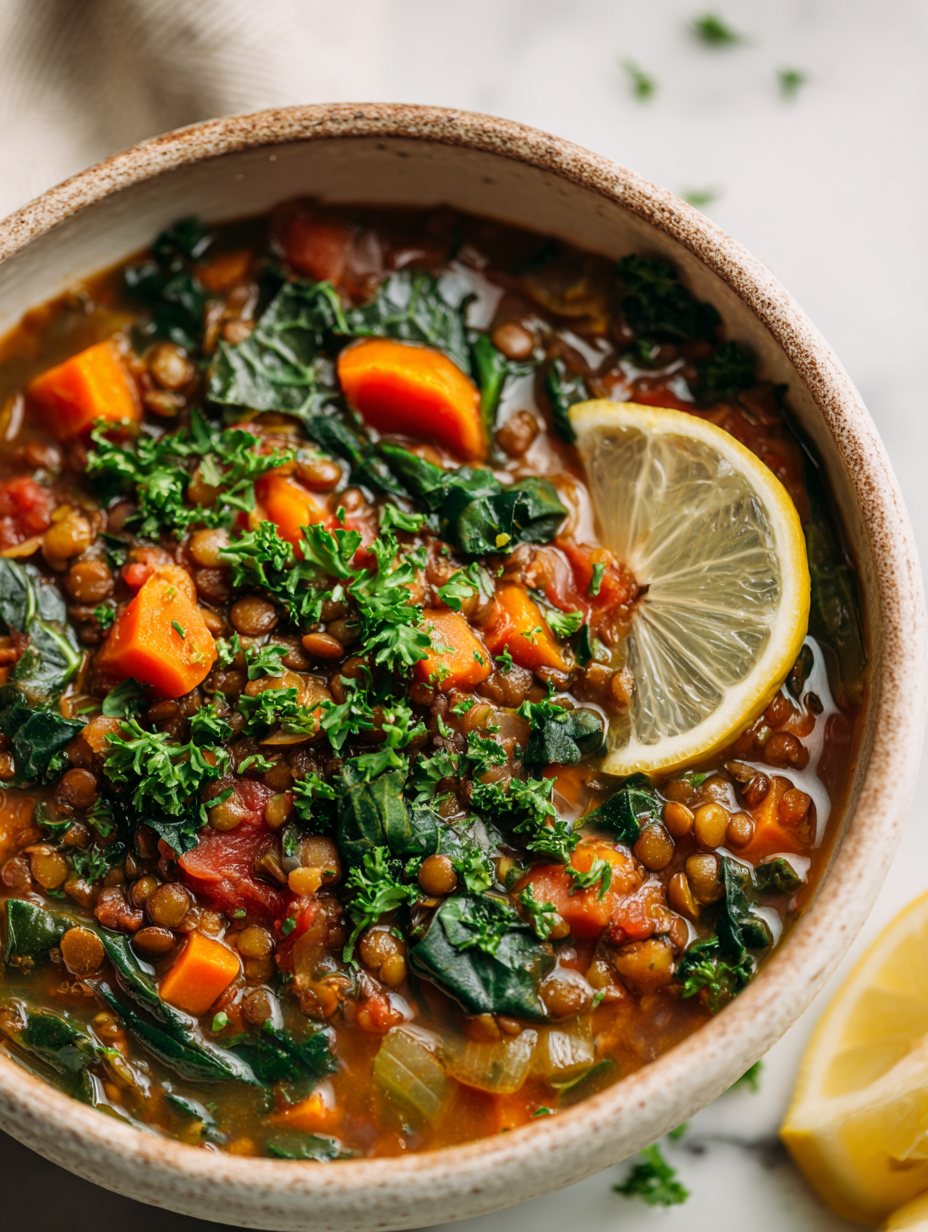
Hearty Lentil Vegetable Stew
Ingredients
Equipment
Method
- Heat the olive oil in a large heavy-bottomed pot over medium heat until it shimmers and releases a fragrant aroma.
- Add the chopped onion and cook, stirring occasionally, until it becomes translucent and soft, about 5 minutes. The onion should smell sweet and be slightly golden around the edges.
- Stir in the minced garlic and ground cumin, cooking for about 30 seconds until fragrant and slightly toasted, but be careful not to burn the garlic.
- Add the diced carrots (and celery if using), stirring to coat them in the fragrant oil and spices. Cook for 5-7 minutes until the vegetables soften slightly and start to smell sweet and earthy.
- Pour in the vegetable broth and add the rinsed lentils. Increase the heat to high and bring everything to a gentle boil, then reduce the heat to low to maintain a simmer.
- Partially cover the pot and let the stew simmer gently for 25-30 minutes, stirring occasionally. The lentils should be tender but hold their shape, and the vegetables should be soft and fragrant.
- Add the canned diced tomatoes (or fresh chopped tomatoes), smoked paprika, and season with salt and pepper. Stir everything together and cook uncovered for another 10 minutes, allowing the flavors to meld and the stew to thicken slightly.
- Taste the stew and adjust seasoning with more salt, pepper, or spices if needed. If the stew is too thick, stir in a splash of hot broth or water to loosen it up to your preferred consistency.
- Remove from heat and let the stew rest for 5 minutes to allow flavors to settle. Serve hot, garnished with fresh herbs if desired, and enjoy the hearty, comforting flavors.
Notes
Tips & Tricks for Perfect Stew
- Sauté with care: Keep the heat moderate during onion and garlic cooking to prevent burning and bitterness.
- Layer flavors: Add spices early to bloom their aroma, but taste and adjust before serving to avoid overpowering.
- Cook lentils properly: Simmer gently until just tender—overcooking turns them mushy, undercooking leaves them tough.
- Control the salt: Salt gradually and taste as you go; this stew benefits from a balanced seasoning to enhance natural sweetness.
- Finish with acidity: A squeeze of lemon or a splash of vinegar at the end brightens the flavors and adds freshness.
- Use a thick-bottomed pot: Prevents hot spots that can scorch the stew, ensuring even cooking and rich texture.
- Let it rest: Off the heat, the flavors meld better—give it 5 minutes before serving for optimal taste.
Common mistakes and how to fix them
- FORGOT to check lentil doneness → taste for tender, not mushy, texture.
- DUMPED too much liquid early → add more broth or simmer longer for richness.
- OVER-TORCHED the garlic → cook on lower heat, stir constantly to prevent burning.
- MISSED stirring during simmering → stir occasionally to prevent sticking and uneven cooking.
Quick fixes and pantry swaps
- When stew is too thick, splash in hot water and stir to loosen textures.
- If lentils stay tough, simmer longer or add a pinch of baking soda to soften.
- Splash a little lemon juice or vinegar if stew tastes flat or dull.
- Patch over burnt spots immediately with a paper towel to prevent bitterness spreading.
- Shield delicate vegetables by adding them later in the simmer to avoid overcooking.
Prep, store, and reheat tips
- Chop vegetables like carrots, onions, and celery the day before; keep refrigerated in an airtight container for up to 24 hours, and their fresh aroma will still greet you when you start cooking.
- Cook the lentils ahead of time and store in a sealed jar in the fridge for up to 3 days; they reheat quickly and retain their hearty bite.
- The stew tastes even better the next day as flavors meld; store in an airtight container in the fridge for up to 4 days, with aroma deepening and spices becoming more pronounced.
- Reheat gently on the stove over low heat or in short bursts in the microwave, stirring occasionally until steaming hot and fragrant—watch for bubbling and a rich, inviting smell.
Top questions about lentil stew
1. How do I know when the lentils are done?
You want the lentils tender but not mushy, with a slight bite. Taste test a few during simmering.
2. What’s the visual sign my stew is ready?
Look for a fragrant aroma of spices and vegetables, and the stew should have thickened slightly without drying out.
3. My stew is too thick or too watery—what now?
If the stew is too thick, add a splash of hot water or broth and stir well. For thin stew, simmer uncovered to reduce.
4. What’s the best equipment for this recipe?
Use a large, heavy-bottomed pot to prevent scorching, and stir occasionally to avoid sticking and uneven cooking.
5. Can I swap lentil types?
You can substitute red lentils for a softer, creamier texture, but they break down faster. Adjust cooking time accordingly.
6. Can I use fresh instead of canned tomatoes?
Yes, canned tomatoes work well, especially in winter. Fresh tomatoes add brightness when in season, but both provide a zesty kick.
7. What spices can I substitute?
If you don’t have smoked paprika, regular paprika or chili powder can add warmth, but smoked paprika gives a distinctive depth.
8. How should I store and reheat leftovers?
Store leftover stew in an airtight container in the fridge up to 4 days. Reheat gently on the stove until steaming, smelling fragrant and inviting.
9. How do I prevent some ingredients from overcooking?
To keep the vegetables from overcooking, add delicate ones like spinach or peas towards the end of simmering, just a few minutes until tender.
10. Should I add any acid or finishing touch?
A squeeze of lemon or a splash of vinegar at the end brightens the flavors and balances the earthy richness.
This stew isn’t just a meal—it’s a reminder that simple ingredients, cooked with patience, can create something deeply satisfying. In a busy world, it offers a moment of grounding, filling the house with warm aromas and honest flavors.
Making this dish feels like reconnecting with those quiet, messy family Sundays. It’s a humble, nourishing comfort that welcomes you home, no matter how chaotic the day has been.