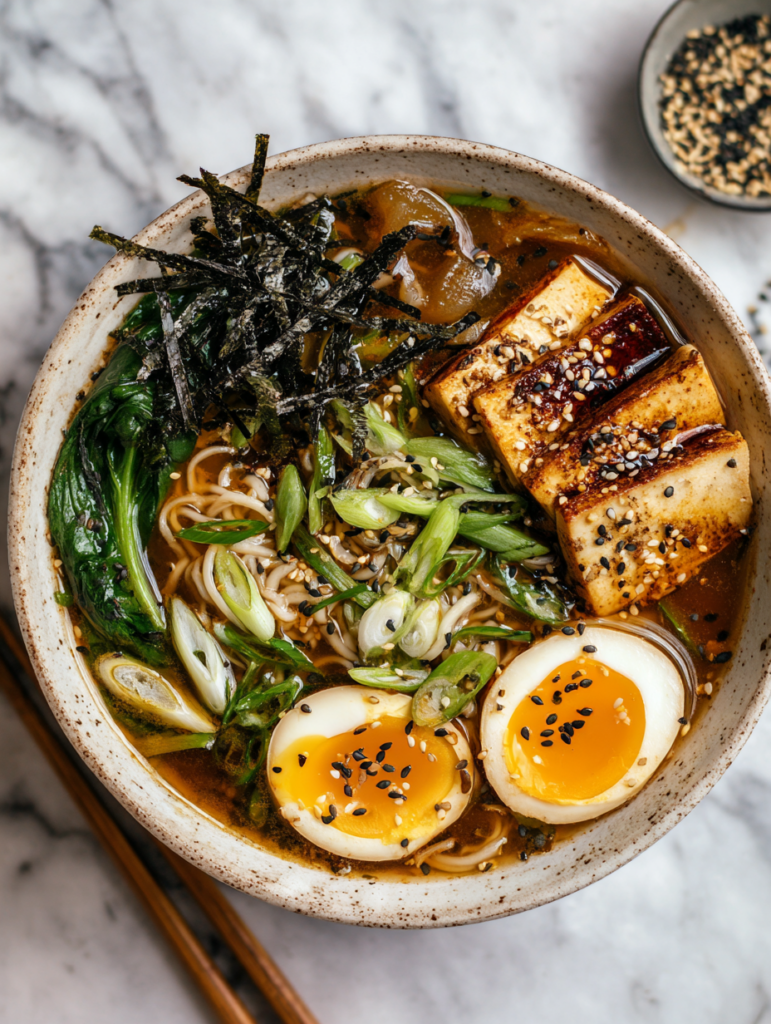
This vegan ramen recipe is all about digging into the hidden depths of umami, without relying on animal products. I’ve spent years tinkering with broth ingredients, trying to get that rich, layered flavor that makes traditional ramen so addictive. The best part? It’s surprisingly straightforward, once you understand how to coax every bit of flavor from simple plants.
There’s something incredibly satisfying about creating a bowl that feels indulgent and comforting, yet is entirely plant-based. I love how the broth becomes this complex tapestry of smoky, savory, and slightly sweet notes, all thanks to a few clever ingredients. It’s a reminder that vegan cooking doesn’t mean sacrificing depth or nuance — it’s just a matter of knowing where to look for those flavor-building blocks.
Focusing on the overlooked umami depth of homemade vegan ramen broth, this recipe emphasizes layering plant-based flavors that mimic traditional meat-based richness, making it feel indulgent without any animal products.
The story behind this recipe
- This recipe was born out of late-night craving for something warm and satisfying, but with a twist. I wanted to see if I could build deep, smoky umami flavors using only plants, without relying on store-bought broth boosters. The process became a kind of quiet experiment, slowly layering flavors until I got that perfect balance of richness and brightness.
- Every time I make this, I remember the first time I nailed that elusive, glossy broth, smelling like roasted miso and toasted sesame. It’s become my go-to when friends ask for something cozy but vibrant, especially on chilly evenings when a bowl of hot ramen feels just right.
- heading:
Key Ingredients Breakdown
- Miso paste: I love how its umami richness gives the broth a cozy depth, almost like a warm hug. Swap with tahini for a nutty twist, but expect a creamier texture.
- Nori sheets: I add these last for a burst of oceanic aroma and a slight smoky edge. Dried seaweed flakes work too, but they lose that fresh sea scent if overcooked.
- Shiitake mushrooms: Their earthy, meaty scent during simmering really boosts the broth’s complexity. Use dried for a more concentrated flavor, but fresh gives a quicker, brighter note.
- Toasted sesame oil: I add a splash at the end for that warm, nutty aroma that makes the bowl feel richer. Skip if you want a lighter, more neutral broth, but don’t skip the smell of toasty goodness.
- Rice vinegar: It brightens everything with a subtle tang, especially when the broth feels a bit heavy. Lemon juice can substitute for a sharper citrus note, but it’s less mellow.
- Vegan noodles: I prefer chewy, al dente noodles to soak up all the broth’s flavors. If you overcook, they turn mushy; undercook, and they’re too firm to slurp comfortably.
- Green onions: Their crisp bite and fresh aroma really lift the bowl. Use scallions for milder flavor, or chives if you want a subtler onion note.
Spotlight on key ingredients
Miso paste:
- I love how its umami richness gives the broth a cozy depth, almost like a warm hug. Swap with tahini for a nutty twist, but expect a creamier texture.
- Nori sheets: I add these last for a burst of oceanic aroma and a slight smoky edge. Dried seaweed flakes work too, but they lose that fresh sea scent if overcooked.
- Shiitake mushrooms: Their earthy, meaty scent during simmering really boosts the broth’s complexity. Use dried for a more concentrated flavor, but fresh gives a quicker, brighter note.
Toasted sesame oil & Rice vinegar:
- Toasted sesame oil: I add a splash at the end for that warm, nutty aroma that makes the bowl feel richer. Skip if you want a lighter, more neutral broth, but don’t skip the smell of toasty goodness.
- Rice vinegar: It brightens everything with a subtle tang, especially when the broth feels a bit heavy. Lemon juice can substitute for a sharper citrus note, but it’s less mellow.
Notes for ingredient swaps
- Broth Base: Use vegetable bouillon cubes for a quicker, saltier flavor boost, but it won’t have that slow-cooked depth.
- Miso Paste: Swap with tahini for a nutty, creamy alternative, though it won’t give the same fermented umami punch.
- Nori Sheets: Dried kelp flakes can be a good substitute, but they lose that fresh ocean aroma if overcooked.
- Shiitake Mushrooms: Dried shiitakes intensify the earthy flavor, whereas fresh ones are quicker but milder in scent.
- Toasted Sesame Oil: Use walnut oil for a different nutty profile, but it’s less smoky and toasty than sesame.
- Vegan Noodles: Soba or rice noodles work well; just watch cooking times, as some absorb broth faster or stay firmer.
- Green Onions: Chives give a milder onion flavor and a subtle herbaceous note, great if you want less pungency.
Equipment & Tools
- Large pot: Cook the broth and noodles.
- Fine-mesh strainer: Strain broth and remove solids.
- Knife: Slice aromatics and toppings.
- Cutting board: Prep ingredients safely.
Step-by-step guide to vegan ramen
- Equipment setup: Get a large pot (about 4 liters/4.2 quarts), a fine-mesh strainer, a sharp knife, and a cutting board. Have your bowls ready for serving.
- Roast aromatics: Preheat your oven to 200°C (392°F). Slice 1 onion and 3 garlic cloves thinly. Spread on a baking sheet, toss with a teaspoon of sesame oil, and roast for 20 minutes until fragrant and slightly charred.
- Prepare broth base: In the large pot, heat 1 tablespoon of sesame oil over medium. Add the roasted aromatics, a sliced piece of ginger (about 2 inches), and cook for 3-4 minutes until the house smells nutty and spicy.
- Add umami boosters: Stir in 2 tablespoons of miso paste, 2 dried shiitake mushrooms (whole), and 1 sheet of nori torn into pieces. Cook for 2 minutes, pressing the miso into the hot oil to release flavor.
- Pour in water: Add 1.5 liters (about 6 cups) of cold water. Bring to a boil over high heat, then reduce to low. Simmer gently for 45 minutes, uncovered, stirring occasionally. Skim foam if it appears.
- Strain the broth: Carefully pour the broth through the fine-mesh strainer into a clean pot. Discard solids. Taste and adjust salt with soy sauce or salt if needed.
- Finish the broth: Turn off heat. Stir in 1 teaspoon toasted sesame oil, a splash of rice vinegar, and squeeze of lemon juice for brightness. Keep warm.
- Prepare noodles: Meanwhile, cook vegan ramen noodles according to package instructions (usually 3-4 minutes in boiling water). Drain and set aside.
- Assemble bowls: Divide noodles into serving bowls. Ladle hot broth over noodles. Top with sliced green onions, bamboo shoots, and any desired toppings. Serve immediately.
- Resting & Finishing: Let the ramen sit for a minute to allow flavors to meld. Finish with a drizzle of sesame oil and a sprinkle of chopped scallions for color.
- Checkpoints & How to Know It’s Done: The broth should be rich and fragrant with a smoky umami aroma. Noodles should be al dente, with a slight chew. Vegetables or toppings should be fresh and vibrant.
Allow the assembled ramen to rest for 1 minute, letting flavors settle. Finish with a drizzle of sesame oil and chopped scallions just before serving. Serve hot, with a spoon and chopsticks for slurping.
How to Know It’s Done
- Broth: Rich, smoky aroma with a glossy surface.
- Noodles: Al dente, with a slight bounce when bitten.
- Toppings: Fresh, vibrant, and well-balanced in flavor and texture.
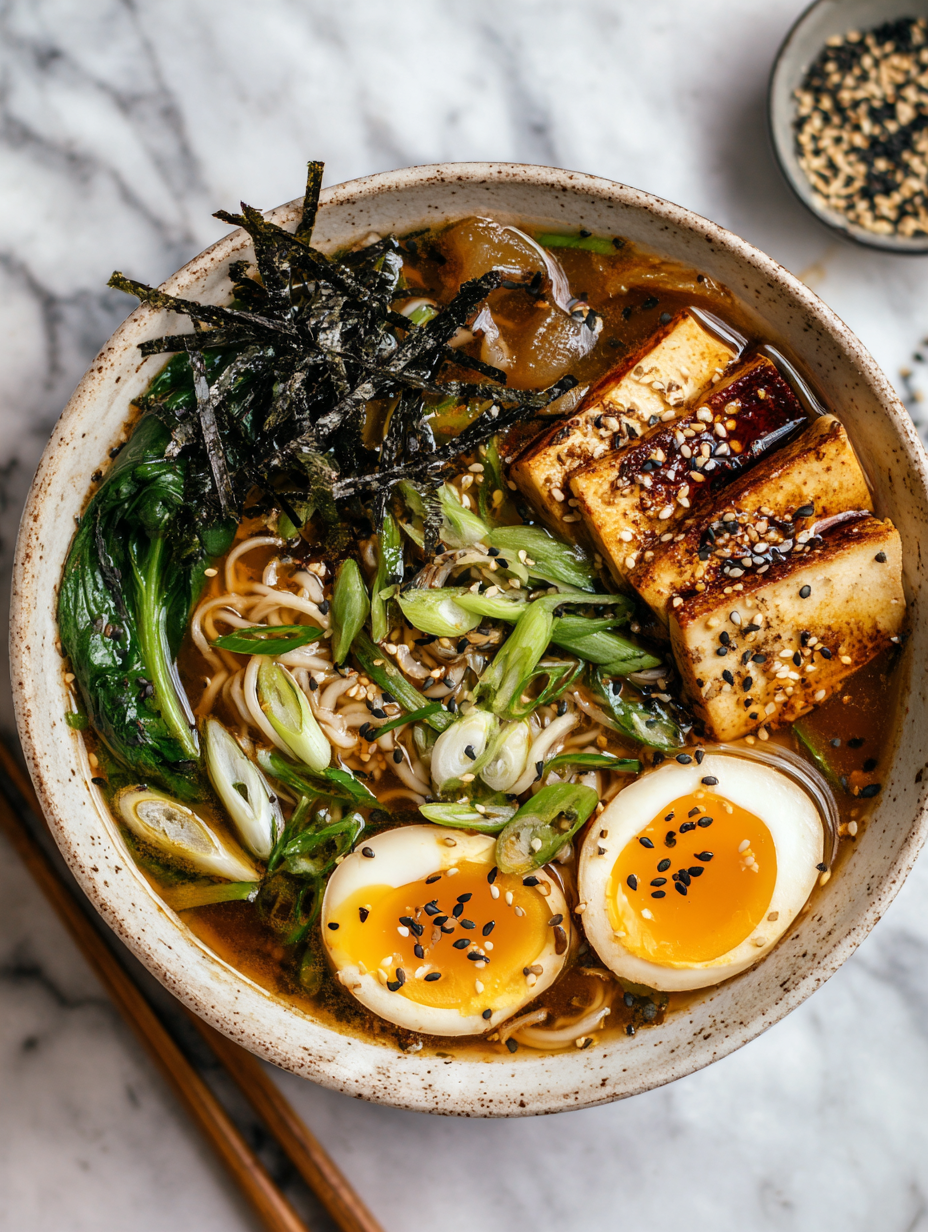
Vegan Umami-Deep Ramen
Ingredients
Equipment
Method
- Set up your workspace with a large pot, a sharp knife, and a cutting board. Slice the onion and garlic thinly; set aside.
- Preheat your oven to 200°C (392°F). Toss the sliced onion, garlic, and ginger with a teaspoon of sesame oil, then spread them on a baking sheet. Roast for about 20 minutes until fragrant and slightly charred at the edges.
- Pour a tablespoon of sesame oil into your large pot over medium heat. Add the roasted aromatics along with the sliced ginger, and cook for about 3-4 minutes until the kitchen fills with a warm, nutty aroma.
- Stir in the miso paste, dried shiitake mushrooms, and torn nori pieces. Cook for another 2 minutes, pressing the miso into the hot oil to release its rich flavor.
- Pour in the water, then bring the mixture to a boil over high heat. Once bubbling, reduce the heat to low and let it simmer gently for about 45 minutes, stirring occasionally and skimming any foam that appears.
- Carefully strain the broth through a fine-mesh strainer into a clean pot, discarding the solids. Taste and adjust saltiness with soy sauce if desired.
- Turn off the heat. Stir in the remaining teaspoon of toasted sesame oil, a splash of rice vinegar, and a squeeze of lemon if you like a brighter flavor. Keep the broth warm.
- Cook your vegan noodles according to the package instructions until just al dente—usually about 3-4 minutes. Drain and set aside.
- Divide the cooked noodles into four bowls. Ladle the hot broth over the noodles, allowing them to soak up the savory flavors.
- Garnish each bowl with sliced green onions and additional toppings like bamboo shoots or vegetables if you like. Serve immediately while steaming hot, with chopsticks and a spoon.
Pro tips for vegan ramen
- Toast your sesame seeds before adding them to the broth for a nuttier, more complex flavor.
- Use a gentle simmer for the broth so the flavors meld without turning bitter or cloudy.
- Add nori sheets at the end to keep their ocean aroma bright and fresh, not overcooked.
- Keep noodles slightly undercooked; they will soak up the broth and finish cooking in the bowl.
- Drizzle toasted sesame oil just before serving for a warm, nutty aroma that awakens the senses.
- Use a sharp knife to slice toppings thin; it makes the slurping easier and more pleasurable.
- Taste the broth before serving and adjust with salt or vinegar for perfect balance.
Common mistakes and how to fix them
- FORGOT to check broth saltiness → Taste and adjust before serving.
- DUMPED noodles too early → Cook until just al dente, then drain immediately.
- OVER-TORCHED nori → Remove from heat promptly to preserve oceanic aroma.
- MISSED simmering time → Let broth gently simmer for full flavor development.
Quick fixes and pantry swaps
- When broth tastes flat → Splash in a dash of soy sauce for instant depth.
- If noodles stick together → Douse with hot water and toss gently.
- When broth is too salty → Patch with a little more water and a squeeze of lemon.
- Splash with sesame oil → Adds warmth and enhances smoky aroma in seconds.
- When ingredients lack brightness → Shimmer in rice vinegar or lemon juice.
Prep, store, and reheat tips
- Prep the broth ingredients: Roast aromatics and soak dried shiitake mushrooms a day ahead for a more layered flavor. Keep in airtight containers in the fridge for up to 24 hours, sensory cues include a fragrant aroma and firm texture.
- Cook the noodles in advance: Prepare and cool the noodles, then store in an airtight container for up to 2 days. Reheat briefly in boiling water, watching for a slight bounce and avoiding mushiness.
- Assemble toppings early: Slice green onions and prepare other toppings the day before. Keep in separate containers in the fridge for up to 24 hours, ensuring they stay crisp and vibrant.
- Store leftover broth: Strain and refrigerate unused broth for up to 3 days. Reheat gently over low heat, checking for a fragrant, smoky aroma and a rich, glossy surface. Stir before serving to reincorporate any settled flavors.
- Reheat tips: When reheating, do so slowly on the stove, simmering just until steaming and fragrant, about 5-7 minutes. Taste and adjust seasoning if necessary, noting the broth should be bright and savory.
Frequently Asked Questions
1. Can I use store-bought broth instead of homemade?
Use a vegetable-based miso or soy paste for a rich, savory flavor that mimics traditional broth. Adjust salt to taste.
2. Can I substitute fresh shiitake mushrooms?
Yes, dried shiitake mushrooms intensify the umami and save time. Fresh mushrooms give a brighter, quicker flavor.
3. How do I make the broth less heavy?
Adding a splash of rice vinegar or lemon juice brightens the broth’s deep flavors and balances the richness.
4. Are there gluten-free options for noodles?
Use gluten-free noodles like rice or soba if needed. Cook until just al dente to avoid mushiness in the broth.
5. Can I skip the nori?
Nori sheets add that oceanic aroma and smoky note. Dried seaweed flakes work, but lose freshness if overcooked.
6. How do I intensify the sesame flavor?
Toasting sesame seeds before adding enhances their nutty aroma. Be careful not to burn them, which makes them bitter.
7. How long should I simmer the broth?
Cook the broth gently for at least 45 minutes to develop full umami layers. Rushing it will result in a flat taste.
8. Can I prepare toppings in advance?
Prepare toppings ahead, like sliced green onions and bamboo shoots, and store in airtight containers for freshness.
9. How do I reheat the ramen without losing flavor?
Reheat leftover broth slowly over low heat, about 5-7 minutes, until fragrant and steaming. Adjust seasoning if needed.
10. What if my broth loses flavor after storing?
If the broth tastes flat, add a splash of soy sauce or a squeeze of lemon to revive its brightness and depth.
This vegan ramen isn’t just about replacing meat; it’s about unlocking a whole new layer of plant-based umami. The smoky broth, fragrant with toasted sesame and seaweed, feels like a warm hug in a bowl. It’s a reminder that comfort food can be vibrant and deeply satisfying without relying on animal products.
Whenever I make this, I’m reminded of how simple ingredients can come together to create something unexpectedly complex and cozy. It’s perfect for those chilly nights or when I need a quick, nourishing escape. No matter how often I cook it, each bowl feels like a small celebration of flavor and creativity.